
Call us now :08071794318
 Send Inquiry
 Send Inquiry
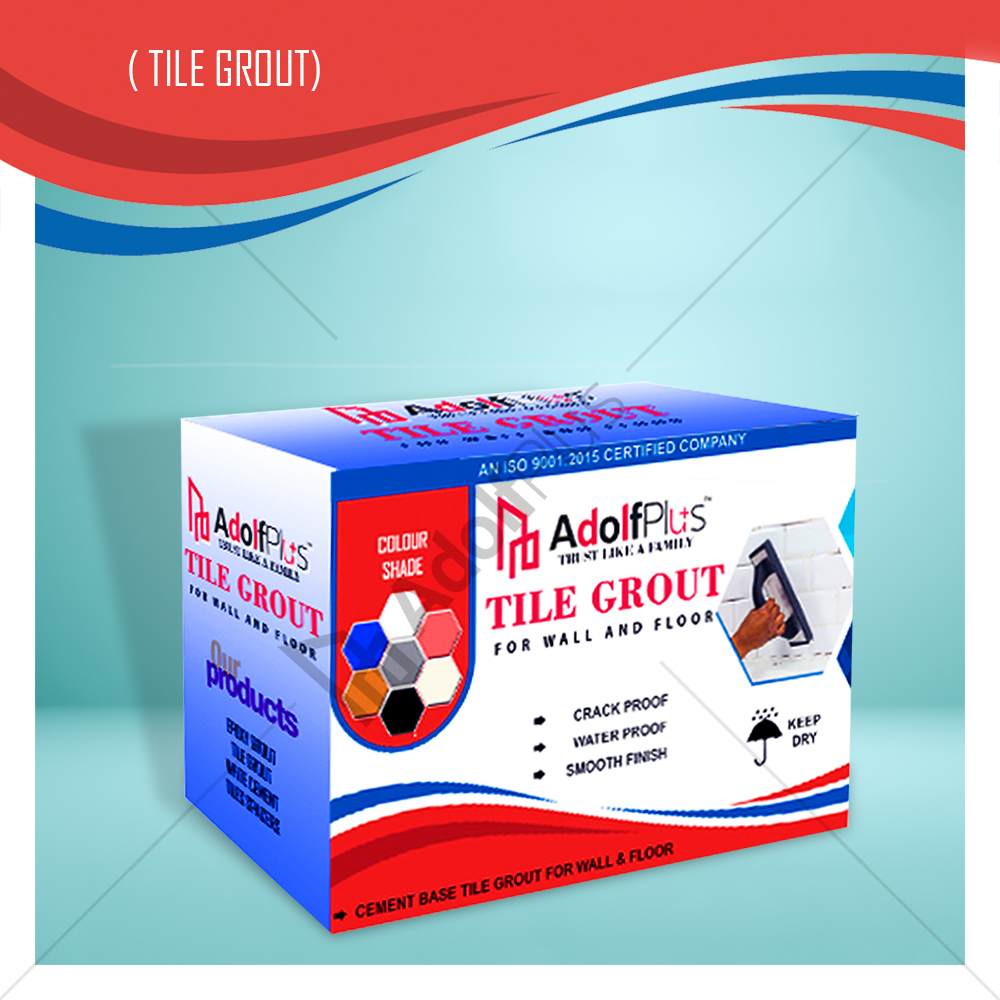
Cement Tile Grout
Price 30.0 INR/ Kilograms
MOQ : 100 Kilograms
Cement Tile Grout Specification
- Packaging Size
- 20 Kg Bucket
- Surface Of Application
- Tile Joints on Walls and Floors
- Adhesive Type
- Pressure Sensitive
- Features
- Heat & Water Resistant
- Shelf Life
- 2 Years
- Other Names
- Cement Tile Grout
- Grade
- Industrial Grade
- Application
- Industrial
- Color
- Multicolor
- Physical State
- Powder
Cement Tile Grout Trade Information
- Minimum Order Quantity
- 100 Kilograms
- Payment Terms
- Cash on Delivery (COD)
- Supply Ability
- 10000 Kilograms Per Month
- Delivery Time
- 2 Days
- Sample Available
- No
- Packaging Details
- BOX PACKING
- Main Domestic Market
- All India
- Certifications
- ISO 9001 : 2015
About Cement Tile Grout
Adolfplus Tile grout is a dense material used to fill the gaps between tiles after they have been installed. It's typically a mixture of cement, sand, and color pigments, and sometimes includes other additives. The purpose of grout is to provide a clean, finished look, prevent moisture from seeping into the gaps, and add structural support and durability to the tile installation.
Here's a more detailed look at tile grout:
-
Grout is usually a powdered mix of cement, sand, lime, and color pigments. When mixed with water, it hardens into a solid, dense material.
-
- Sealing: Grout seals the gaps between tiles, preventing moisture from seeping into the subfloor and potentially causing damage.
- Sealing: Grout seals the gaps between tiles, preventing moisture from seeping into the subfloor and potentially causing damage.
- Structural Support: It adds to the overall strength and stability of the tile installation.
- Aesthetic Finish: Grout creates a clean, finished look and can be used to complement the tiles or stone with the right color choice.
-
Grout can be either sanded or unsanded, with sanded grout being more durable and suitable for larger gaps. There are also specialized grouts like epoxy grout, which are highly resistant to water and stains.
-
Grout is an essential part of any tile installation, as it not only provides a finished look but also protects the tiles and the surfaces underneath from moisture, dirt, and debris.
Superior Resistance for Demanding Environments
Engineered to withstand both high heat and water exposure, this Cement Tile Grout ensures durability in the toughest industrial settings. Its distinct resistance properties help maintain long-term structural integrity, making it suitable for factories, workshops, and high-moisture areas. Users trust it for projects requiring exceptional performance under extreme conditions.
Pressure-Sensitive Adhesion Technology
This grout employs a pressure-sensitive adhesive formulation, ensuring quick gripping strength and reliable tile installation. The innovative adhesive mechanism allows for efficient placement and tight sealing of joints, reducing application time and improving overall finish quality. Its adaptability streamlines industrial workflows and enhances productivity.
FAQ's of Cement Tile Grout:
Q: How is Cement Tile Grout applied in industrial environments?
A: Cement Tile Grout, supplied in powder form, is typically mixed with water according to manufacturer instructions until a smooth paste is formed. It is then pressed into grout joints between tiles using suitable tools, taking advantage of its pressure-sensitive adhesion for secure bonding in demanding settings.Q: What makes this grout suitable for heat and water-prone areas?
A: Its specialized composition offers strong resistance to heat and water, ensuring tiles remain bonded even in extreme temperature fluctuations or high moisture conditions. This makes it ideal for use in factories, kitchens, or other high-stress industrial locations.Q: When should industrial users choose a pressure-sensitive adhesive grout?
A: Pressure-sensitive adhesive grouts are best selected when the application requires fast setting, reliable bonding, and adaptability to surfaces. They are particularly useful in industrial projects with tight deadlines or locations exposed to heavy use and environmental challenges.Q: Where can Cement Tile Grout be sourced in India?
A: Cement Tile Grout is manufactured and supplied throughout India, primarily by industrial suppliers specialized in construction materials. Inquiries can be directed to local distributors, building supply stores, or directly to manufacturers based in India.Q: What is the process for preparing Cement Tile Grout for application?
A: To prepare, the powder should be gradually mixed with clean water following the manufacturer's ratio guidelines until a uniform, lump-free paste is achieved. The mixture should be applied promptly to ensure optimal pressure-sensitive adhesion during installation.Q: What are the benefits of using a multicolor grout in industrial applications?
A: Multicolor options allow for precise aesthetic matching with various tile designs, enhancing both appearance and functionality. This ensures seamless integration into diverse project requirements and architectural styles, broadening its usability across different industrial sectors.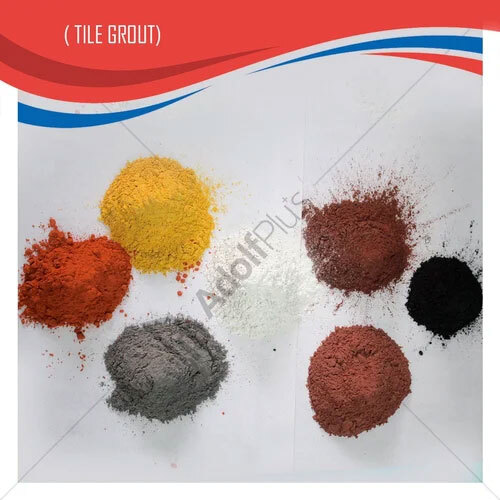
Tell us about your requirement

Price:
Quantity
Select Unit
- 50
- 100
- 200
- 250
- 500
- 1000+
Additional detail
Mobile number
Email

More Products in Tile Grout Category
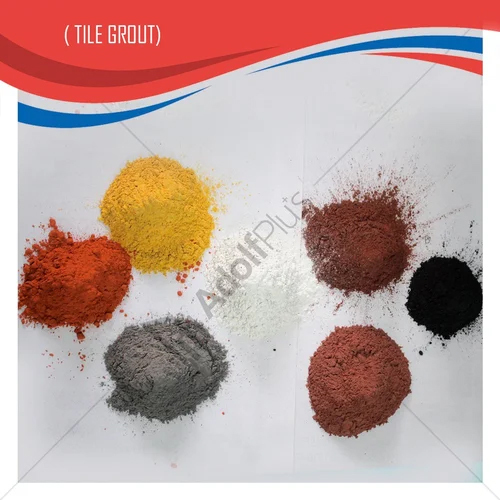
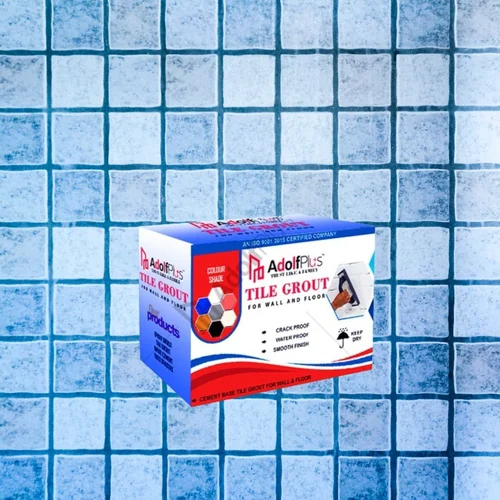
TILE GROUT
Price 30 INR / Kilograms
Minimum Order Quantity : 100 Boxes
Purity : 100%
Color : Multicolour
Usage : Construction
Grade : TILE GROUT
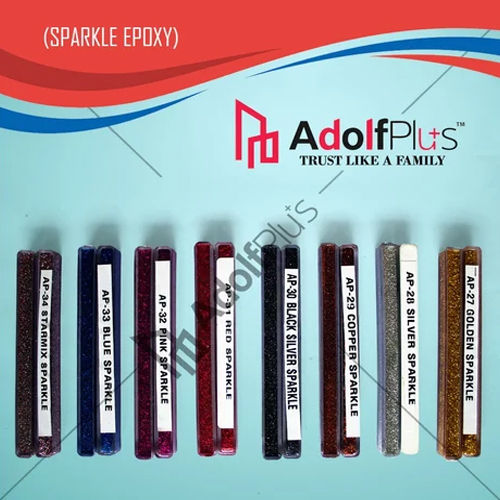
Sparkle Epoxy Tile Grout
Price 1599 INR / Kilograms
Minimum Order Quantity : 50 Kilograms
Purity : 95%
Color : Multicolor
Usage : Construction
Grade : Industrial Grade
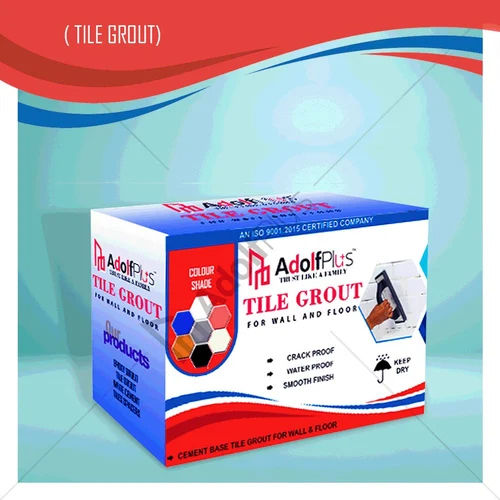
Colorful Tile Grout
Price 60 INR / Kilograms
Minimum Order Quantity : 100 Kilograms
Purity : 95%
Color : Colorful
Usage : Construction
Grade : Industrial grade
Cement Based Tile Grout
Price 7300.0 INR / Kilograms
Minimum Order Quantity : 100 Kilograms
Purity : 96%
Color : Gray
Usage : Construction
Grade : Industrial Grade

 Send Inquiry

Our Products

Shed No. 20, Gajanand State- 2, Ramol, Hathijan Road Vatva,Ahmedabad - 382445, Gujarat, India

Mr Bhaumik
Mobile :08071794318
 Send Inquiry
 Send SMS
 Call Me Free
Developed and Managed by Infocom Network Private Limited.


