
Call us now :08071794318
 Send Inquiry
 Send Inquiry
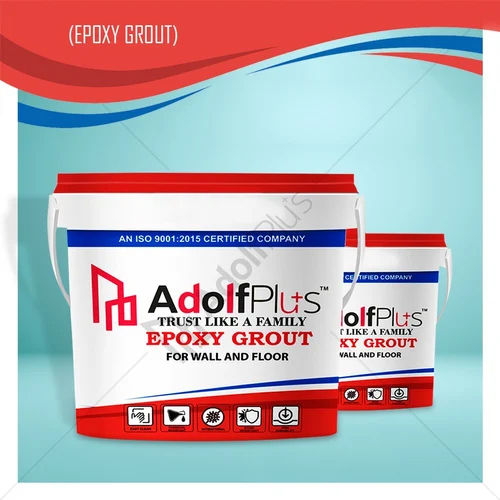
Epoxy color shade Grouting
Price 450.0 INR/ Kilograms
MOQ : 100 Kilograms
Epoxy color shade Grouting Specification
- Material
- PVC
- Grade
- Industrial
- Purity
- Typically 100% solids
- Application
- Tile joints
- Color
- shade
- Physical State
- Solid
Epoxy color shade Grouting Trade Information
- Minimum Order Quantity
- 100 Kilograms
- Supply Ability
- 5000 Kilograms Per Month
- Delivery Time
- 7 - 10 Days
About Epoxy color shade Grouting
Epoxy grout is a high-performance, resin-based grouting material composed of epoxy resins and a hardener. Unlike traditional cement-based grouts, epoxy grout is non-porous, highly durable, and resistant to stains, chemicals, moisture, and cracking. It is ideal for areas exposed to heavy traffic, water, or harsh cleaning agentssuch as commercial kitchens, bathrooms, hospitals, swimming pools, and industrial floors. Epoxy grout provides a strong bond with tiles, excellent color retention, and a smooth, uniform finish. Its superior properties make it suitable for both wall and floor tile installations in residential, commercial, and industrial settings.
Superior Durability and Chemical Resistance
Epoxy grout stands out from traditional options by offering industrial-grade durability. It is highly resistant to chemicals, stains, and moisture, making it especially suitable for bathrooms, kitchens, and laboratory environments. The robust composition protects against the rigors of daily use and frequent cleaning, helping maintain both structural integrity and visual appeal over time.
Consistent Color and Easy Maintenance
The advanced color fillers in epoxy grout guarantee uniform color that remains vibrant, eliminating concerns about fading or discoloration. Its non-porous structure means stains cannot penetrate, greatly simplifying maintenance. Unlike cement-based grouts, epoxy grout does not need sealing, keeping maintenance routines minimal and ensuring lasting aesthetics for tiled surfaces.
FAQ's of Epoxy color shade Grouting:
Q: How should epoxy color shade grout be applied to tile joints?
A: Epoxy color shade grout should be mixed as per manufacturer instructions, then applied directly to cleaned tile joints using a rubber float. After spreading, excess grout is wiped away with a damp sponge, and the joints are left to cure. This process is suitable for tile joints in ceramic, porcelain, natural stone, or PVC surfaces.Q: What benefits does epoxy grout provide over traditional cementitious grouts?
A: Epoxy-based grouts are significantly more durable and resistant to moisture and chemicals, making them ideal for frequently wet or chemically exposed areas. Additionally, their non-porous nature prevents stains, eliminates the need for sealing, and ensures long-lasting color consistency.Q: When is it recommended to use epoxy grout over other types?
A: Epoxy grout is recommended for use in areas exposed to water, chemicals, or heavy traffic, such as bathrooms, kitchens, pools, industrial spaces, and laboratories. Its enhanced performance and resistance to discoloration make it preferable in such demanding conditions.Q: Where can epoxy color shade grout be used?
A: This grout is suitable for a variety of tile surfaces including ceramic, porcelain, natural stone tiles, and PVC. It is commonly used in both commercial and residential construction across floors and walls, wherever durable, stain-resistant joint filling is needed.Q: What is the process for maintaining epoxy grout after installation?
A: Epoxy grout requires minimal maintenance due to its non-porous surface. Regular cleaning with mild soap and water is generally sufficient. Harsh chemicals are not needed, as the grout resists stains and does not absorb dirt or spills.Q: How does the feature of being 100% solids epoxy add value to construction projects?
A: Being 100% solids means there is no water or solvent dilution, resulting in robust material properties. It ensures maximum bonding strength, high flexibility, and water repellency, which are valuable benefits for construction projects demanding longevity and minimal upkeep.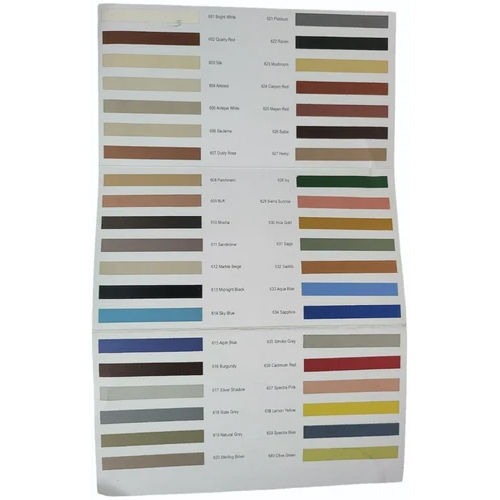
Tell us about your requirement

Price:
Quantity
Select Unit
- 50
- 100
- 200
- 250
- 500
- 1000+
Additional detail
Mobile number
Email

More Products in Epoxy Grout Category
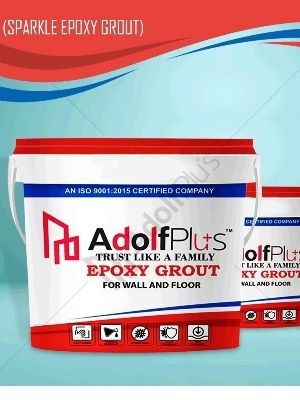
Epoxy Grout Kit
Price 450.0 INR / Kilograms
Minimum Order Quantity : 20 Kilograms
Purity : 100%
Grade : Industrial grade
Color : Red
Shelf Life : 2 Years
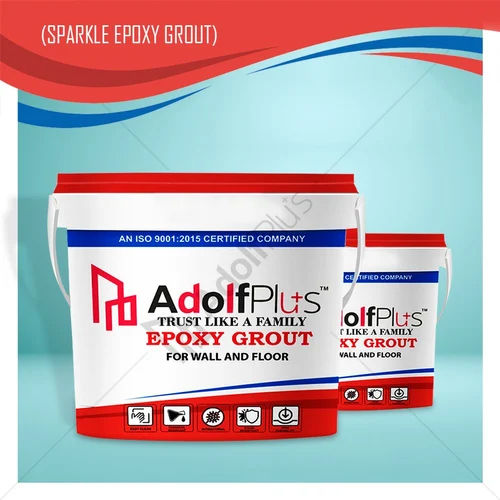
Epoxy Grout 5kg
Price 1299.0 INR / Kilograms
Minimum Order Quantity : 100 Kilograms
Purity : 96%
Grade : Industrial Grade
Color : White
Shelf Life : 12 Months
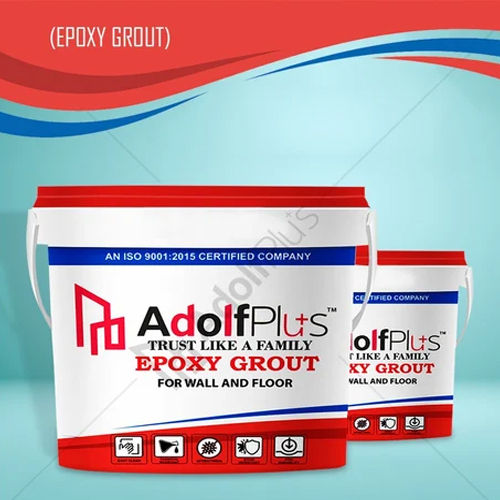
1kg Epoxy Grout For Wall And Floor
Price 1199 INR / Kilograms
Minimum Order Quantity : 27 Kilograms
Purity : 95%
Grade : Industrial grade
Color : White
Shelf Life : 2 Years
Roof Epoxy Cement Grouting
Price 499 INR / Kilograms
Minimum Order Quantity : 100 Kilograms
Purity : 96%
Grade : Industrial Grade
Color : White
Shelf Life : 2 Years

 Send Inquiry

Our Products

Shed No. 20, Gajanand State- 2, Ramol, Hathijan Road Vatva,Ahmedabad - 382445, Gujarat, India

Mr Bhaumik
Mobile :08071794318
 Send Inquiry
 Send SMS
 Call Me Free
Developed and Managed by Infocom Network Private Limited.


